.png?width=140&height=45&name=image%20(16).png "image (16)")
.png?width=210&height=68&name=image%20(1).png "image (1)")
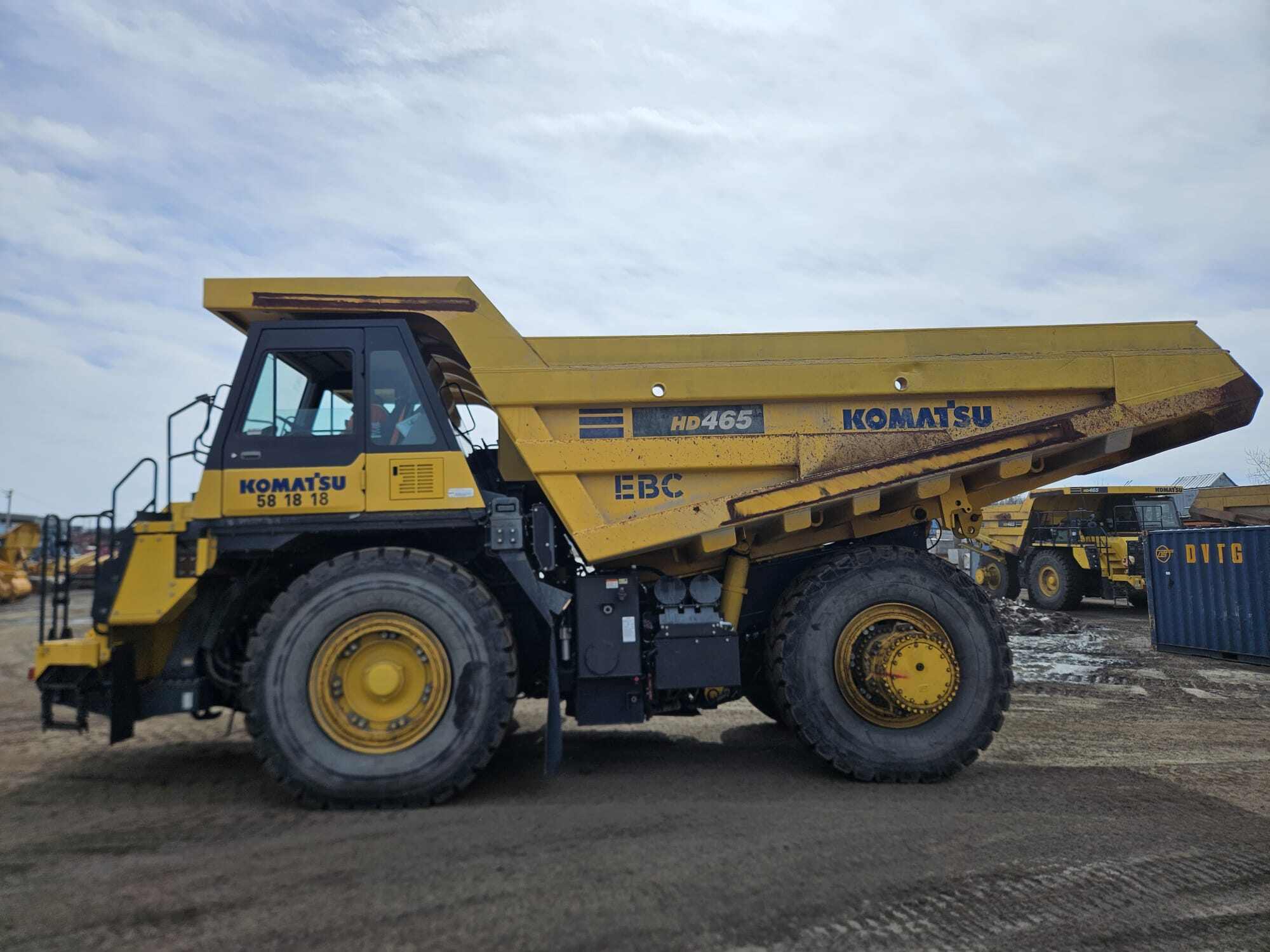
Heavy machinery represents a major investment for any industrial operation. Without proper maintenance, machines can break down unexpectedly, causing costly delays and safety risks. Preventive maintenance helps extend equipment life, improve performance, and reduce downtime.
1. Follow a Scheduled Maintenance Plan
Every machine comes with a manufacturer-recommended maintenance schedule. This includes oil changes, filter replacements, and part inspections. Sticking to a routine plan prevents small issues from turning into major failures.
2. Conduct Daily Pre-Operation Checks
Operators should inspect machinery before every shift. Key areas to check include:
-
Fluid levels (oil, coolant, hydraulic fluid)
-
Brake systems and controls
-
Belts, hoses, and electrical connections
-
Warning lights and alarms
These quick checks can catch problems early.

3. Keep Machinery Clean
Dust, debris, and grease buildup can affect machine performance. Regular cleaning:
-
Prevents overheating
-
Improves visibility of leaks or cracks
-
Extends the life of moving parts
A clean machine is easier and safer to maintain.
4. Monitor Machine Performance
Unusual noises, vibrations, or drops in performance should never be ignored. Train operators to report issues immediately so maintenance teams can address them before breakdowns occur.
5. Use Quality Replacement Parts
Using low-quality or incompatible parts may save money short-term but often leads to frequent repairs. Always use manufacturer-approved or high-quality replacement components.
Conclusion
Preventive maintenance is not an expense—it’s an investment. By following structured maintenance practices, businesses can improve reliability, reduce repair costs, and keep heavy machinery operating efficiently for years.
Comments
Join the conversation